
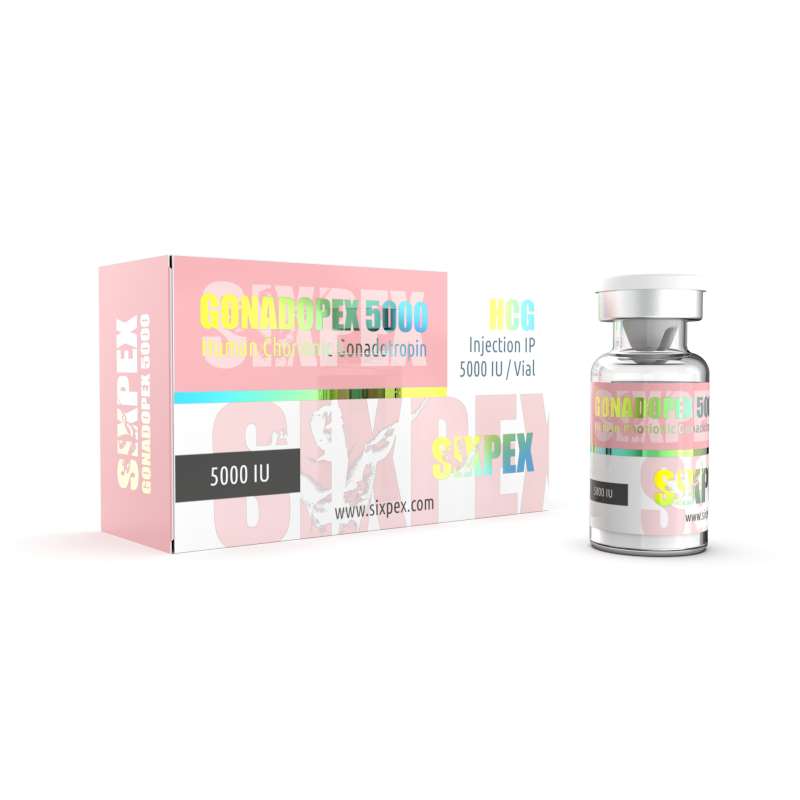
GONADOPEX 5000 (HCG) Overview
Human Chorionic Gonadotropin (HCG) is a polypeptide hormone naturally produced during pregnancy. It is created in the placenta and plays a key role in maintaining progesterone production. HCG is also the hormone detected in pregnancy tests.
Historically, HCG was extracted from the urine of pregnant women and later purified for medical use. It has been used therapeutically for various conditions and is now commonly applied in fertility treatment and hypogonadism management.
It is also widely used by anabolic steroid users either during a cycle or as part of post-cycle therapy (PCT), though these practices remain debated.
• Historical & Medical Uses
• Early Applications
-
Froehlich’s Syndrome
-
Cryptorchidism
-
Obesity
-
Depression
-
Female infertility
-
Uterine bleeding
-
Amenorrhea
• Modern Therapeutic Uses
-
Cryptorchidism
-
Female infertility
-
Hypogonadism (low testosterone)
-
Weight loss programs
• Functions & Traits
-
Polypeptide hormone produced during early pregnancy
-
Peaks around 8–12 weeks of gestation
-
Mimics Luteinizing Hormone (LH)
-
Stimulates testosterone production in males
-
Supports ovulation and fertility in females
-
Considered “exogenous LH” (LH mimic, not actual LH)
Primary Functional Benefit:
-
Signals testes to produce testosterone
-
Useful in low testosterone treatment
-
Primes the body before SERM-based PCT
• Use in Bodybuilding & Steroid Cycles
1. • Post Cycle Therapy (PCT)
-
Natural testosterone suppressed after steroid use
-
Recovery without assistance is slow
-
Low testosterone symptoms may occur
-
HCG stimulates testosterone production
-
Often used before SERMs (e.g., Nolvadex, Clomid)
-
Helps prepare body for SERM therapy
-
Enhances overall recovery efficiency
2. • On-Cycle Use
-
Steroids suppress natural LH production
-
Suppression causes testicular atrophy
-
HCG maintains testicular size and function
-
May support easier recovery post-cycle
Risk:
-
Body can become dependent on HCG for LH stimulation
-
Overuse may cause long-term suppression
-
Requires strict dose regulation
• HCG & Weight Loss
-
Popularized in very low-calorie diets (~500 kcal/day)
-
No thyroid-stimulating effects
-
Not a thermogenic agent
-
Does not suppress appetite
-
No proven fat-burning mechanism
Controversy:
-
Weight loss likely due to severe caloric restriction
-
Criticized by major medical organizations
-
Long-term safety of extreme dieting questioned
-
Ongoing debate regarding effectiveness
• Side Effects
HCG is generally considered low in side effects when used properly.
• Estrogen-Related Effects
-
May increase testosterone levels
-
Possible gynecomastia
-
Possible water retention
-
Rare when properly managed
• General Safety
-
No typical medication-type side effects (GI issues, rashes, etc.)
-
Short-term PCT use usually well tolerated
-
Low therapeutic doses typically safe
• Major Concern
-
LH dependency from excessive use
-
Potential low testosterone condition if misused